India’s rabi cultivation has gained significant momentum this winter, with the total sown area crossing 479 lakh hectares as of December 5, according to the latest Agriculture Ministry data. This marks a notable rise of 27.89 lakh hectares compared to the 451.12 lakh hectares recorded during the same period last year.
The data indicates steady progress across key rabi crops:
Pulses: Coverage now stands at 106.21 lakh hectares, slightly higher than last year’s 105.78 lakh hectares.
Shri Anna & Coarse Cereals: These crops have been planted across 36.28 lakh hectares, reflecting a modest increase from 35.94 lakh hectares a year earlier.
Oilseeds: Cultivation has expanded to 84.14 lakh hectares, up from 81.75 lakh hectares in the corresponding period of 2023.
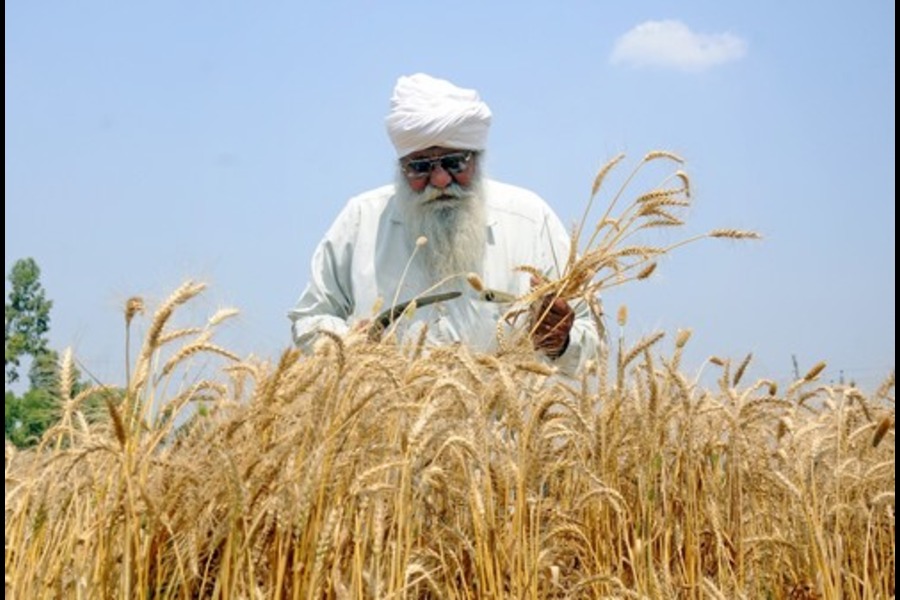
Among all crops, wheat has shown the strongest surge. Farmers have sown wheat over 241.40 lakh hectares, up from 217.81 lakh hectares, indicating a jump of 23.59 lakh hectares, one of the highest year-on-year increases for the crop.
The expansion in acreage is expected to translate into stronger rabi output, potentially boosting farmer incomes while helping moderate food inflation. Officials attribute the robust sowing trends partly to favourable monsoon patterns, which improved conditions in India’s vast unirrigated agricultural zones—areas that make up nearly half of the country’s farmland.
The government had set a positive tone for the season earlier this year. On October 1, the Cabinet Committee on Economic Affairs (CCEA), led by Prime Minister Narendra Modi, approved enhanced Minimum Support Prices (MSPs) for all major rabi crops for the 2026–27 marketing year. These MSP revisions, announced before sowing begins, are intended to help farmers plan their crop choices more effectively and secure better returns.
With sowing advancing at a healthy pace, agricultural planners are optimistic about the season’s overall production outlook.